By Edvin Jones, Attorney at Law | Edvin Jones Injury Law | what to do after a crash
Quick Takeaways
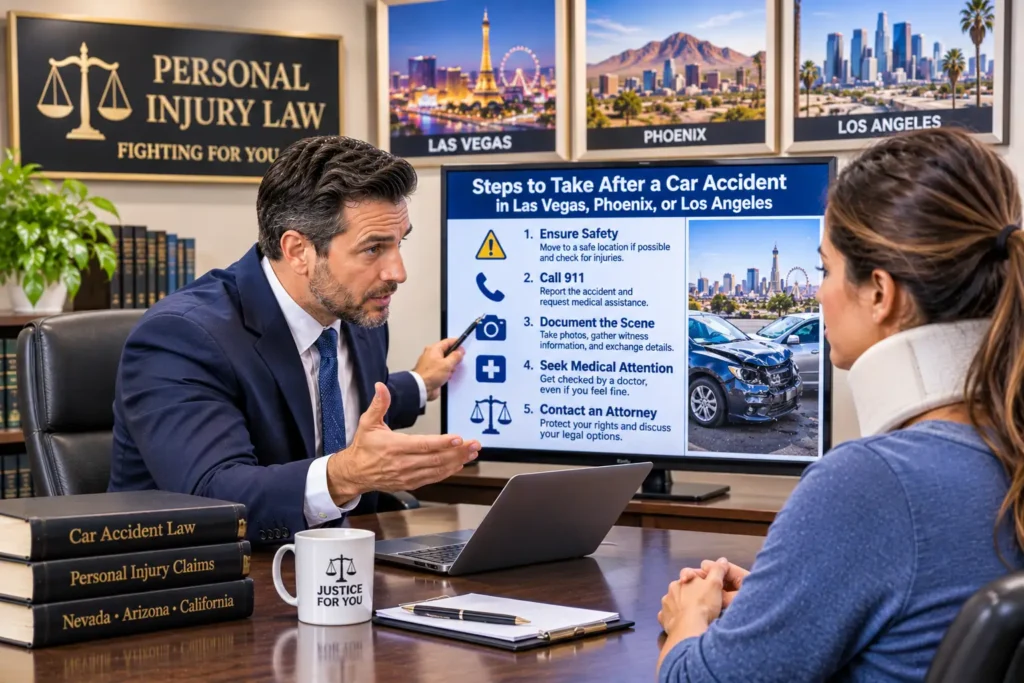
- Put safety first. Check for injuries, call 911 when necessary, and move away from traffic if it is safe to do so.
- Report the crash. Follow the applicable reporting requirements and request information about the official accident report.
- Document the scene. Take photographs, collect driver and insurance information, and get witness contact details.
- Be careful what you say. Stick to the facts and avoid guessing about fault or making assumptions about your injuries.
- Seek medical attention promptly. Some injuries may not become noticeable until hours or days after a collision.
- Protect your claim. Keep medical records, repair estimates, receipts, and communications with insurance companies.
- Speak with an attorney before settling. Understand your potential damages and legal options before accepting a settlement.
The minutes after a car accident can be confusing and stressful. You may be dealing with injuries, damaged vehicles, traffic, and calls from insurance companies. What you do during the first hours and days after a crash can affect both your recovery and your ability to pursue compensation.
Whether your accident happened on the Las Vegas Strip, an I-10 interchange in Phoenix, or a busy freeway in Los Angeles, knowing what steps to take can help protect your health and your legal rights.
Here is a practical guide on what to do after a crash in Nevada, Arizona, or California.
Put Safety and Medical Care First
Your health comes before vehicle damage or insurance paperwork.
- Check for injuries. If anyone appears seriously injured, call 911 immediately.
- Move to safety if possible. If the vehicles can be moved and doing so is safe, move them out of active traffic. Otherwise, follow emergency dispatchers’ instructions and avoid putting yourself in danger.
- Do not ignore symptoms. Neck pain, headaches, dizziness, and back pain may develop after the initial shock wears off.
- Accept medical evaluation when needed. Adrenaline can temporarily mask pain, and some injuries are not immediately apparent.
- Avoid unnecessary movement after a serious injury. Follow emergency personnel’s directions.
If you feel injured, seek medical care promptly. Medical records can also help document the connection between the accident and your injuries.
Report the Accident
Contact law enforcement when someone is injured, a driver appears impaired, a hit-and-run occurs, or the circumstances otherwise require police involvement. Follow the instructions of emergency dispatchers and officers.
Reporting requirements vary by state and by the circumstances of the collision. Nevada, Arizona, and California have specific rules concerning crashes involving injuries, deaths, and certain levels of property damage. Do not assume that an insurance claim alone satisfies your reporting obligations. For more information about filing an accident report after car accident, review the reporting requirements applicable to your state.
When officers respond:
- Provide accurate, factual information.
- Explain what you observed without guessing.
- Ask how to obtain the report or incident number.
- Write down the responding agency and any available report number.
If the other driver leaves the scene, report the hit-and-run promptly. Preserve any information about the vehicle, driver, direction of travel, and possible witnesses. A prompt report may also be important when exploring uninsured motorist coverage.
Document the Scene and Gather Evidence
If it is safe to do so, collect as much relevant information as possible before vehicles are moved or evidence disappears.
Photograph and Record the Scene
Take photographs or videos of:
- All vehicles involved and their visible damage.
- License plates and vehicle makes and models.
- The overall accident scene and vehicle positions, if safe.
- Traffic signals, road signs, lane markings, and skid marks.
- Road conditions, weather, debris, and visible hazards.
- Any visible injuries, when appropriate.
Do not put yourself in traffic or another dangerous position to obtain photographs.
Exchange Driver and Insurance Information
Collect the following from the other driver, when available:
- Full name and contact information.
- Driver’s license details.
- Vehicle registration and license plate number.
- Insurance company and policy information.
- Vehicle owner’s information if the driver does not own the vehicle.
If a rental car is involved, record the rental company and relevant vehicle details.
Identify Witnesses
Ask witnesses for their names and contact information. If they are willing, note what they observed. Independent witnesses may help clarify disputed accounts of the collision.
Keep your original photographs and videos, and back them up somewhere secure. Avoid editing the originals in ways that could affect their evidentiary value.
Be Careful What You Say
After a crash, emotions can run high. Be respectful and cooperate with law enforcement, but do not guess about the cause of the accident or make statements you cannot verify.
For example, saying “I’m sorry” does not automatically establish legal fault, but statements made at the scene may later be interpreted in context. It is safer to stick to the facts rather than speculate about responsibility.
When speaking with the other driver or an insurance representative:
- Exchange the necessary information.
- Do not knowingly provide inaccurate details.
- Avoid speculating about injuries or fault.
- Do not sign documents you do not understand.
- Consider getting legal advice before giving a recorded statement to the other driver’s insurer.
You should notify your own insurer as required by your policy and cooperate with legitimate requests, while understanding your rights and obligations.
Understand Local Considerations in Each City
The basic steps after a collision are similar across all three cities, but local driving conditions can create additional practical concerns.
Las Vegas, Nevada
Las Vegas has significant tourist traffic, rental vehicles, and busy roads around the Strip and major intersections.
After a crash:
- Collect rental company details if a rental vehicle is involved.
- Record the precise location, nearby intersections, and direction of travel.
- Preserve information about traffic signals and surrounding businesses that may have surveillance footage.
- Follow Nevada’s applicable accident-reporting requirements.
Phoenix, Arizona
Phoenix’s wide roads, high-speed freeways, and extreme summer temperatures can make roadside incidents particularly dangerous.
After a crash:
- Move away from traffic if you can do so safely.
- Seek shade or a safe indoor location when temperatures are extreme, without leaving injured people without appropriate assistance.
- Document the road layout, lane positions, and traffic controls.
- Seek medical attention if you notice pain, dizziness, confusion, or other symptoms.
Los Angeles, California
Los Angeles traffic can involve congested freeways, commercial vehicles, and rideshare drivers.
After a crash:
- Record whether a driver appeared to be working for a rideshare or delivery service, if relevant.
- Note any available trip or ride details without accessing another person’s private account.
- Identify nearby businesses or traffic cameras that may have captured the collision.
- Preserve evidence of lane changes, merging, and vehicle positions.
These local considerations do not replace the applicable state law, but they may help you identify evidence that could otherwise be overlooked.
6. Seek Medical Care and Follow Your Treatment Plan
Even if you initially feel well, pay attention to new or worsening symptoms. Some injuries, including certain head, neck, and soft-tissue injuries, may not become apparent immediately.
After an accident:
- Arrange medical evaluation promptly if you have symptoms or concerns.
- Follow your healthcare professional’s recommendations.
- Attend follow-up appointments as advised.
- Keep copies of medical records, bills, prescriptions, and treatment instructions.
- Tell your healthcare provider about symptoms and how the accident occurred.
Do not exaggerate or minimize your symptoms. Accurate medical documentation can help establish the nature of your injuries and the treatment you required.
7. Keep Records and Protect Your Claim
Create a dedicated file for accident-related documents. Include:
- Medical bills and records.
- Prescription and rehabilitation expenses.
- Vehicle repair estimates and invoices.
- Receipts for accident-related out-of-pocket costs.
- Evidence of missed work and lost income.
- Insurance correspondence and claim numbers.
- Photographs, witness details, and the police report.
Avoid posting speculation about the accident, your injuries, or the claim on social media. Do not assume that privacy settings prevent posts from being reviewed or used in a dispute.
Be cautious about settlement offers, particularly before you understand the extent of your injuries and potential future treatment needs. Signing a settlement release may end your ability to pursue additional compensation for the claims covered by that release.
8. Understand Your Legal Options
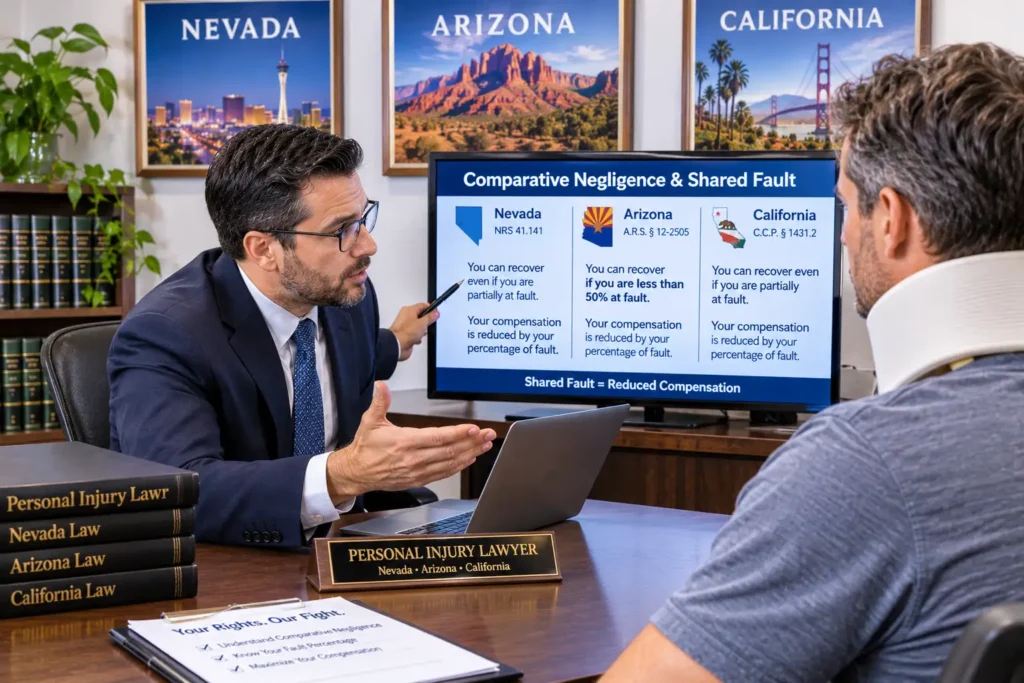
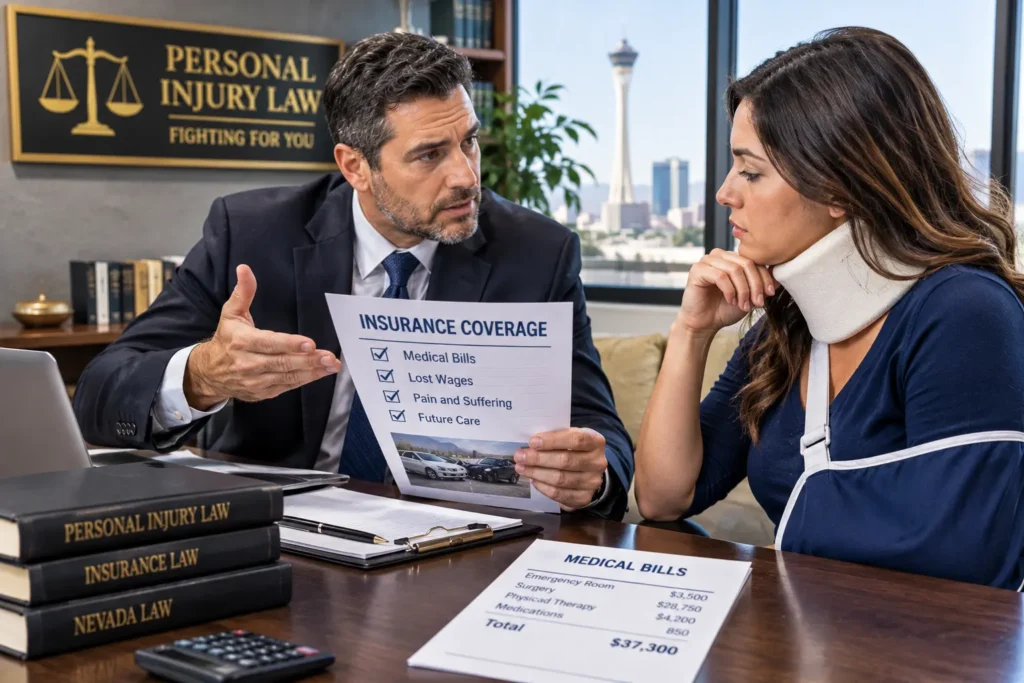
Depending on the circumstances, an injured person may be able to pursue compensation for medical expenses, lost wages, pain and suffering, and other legally recoverable losses.
The amount and types of compensation available depend on the evidence, the severity of the injuries, applicable state law, insurance coverage, and the legal responsibility of the parties involved.
Deadlines also matter. Nevada, Arizona, and California have filing deadlines for personal injury lawsuits, and special rules may apply in cases involving government entities or other particular circumstances.
Consulting an attorney early can help you understand which deadlines apply, preserve important evidence, and evaluate communications from insurers before you make significant decisions about your claim.
How Edvin Jones Injury Law Can Help
A car accident can leave you facing medical treatment, vehicle repairs, lost income, and uncertainty about what comes next. You do not have to navigate every part of the insurance process without guidance.
Edvin Jones Injury Law assists injured people with understanding their legal options, reviewing accident-related evidence, communicating with insurers, and pursuing compensation when supported by the facts and applicable law.
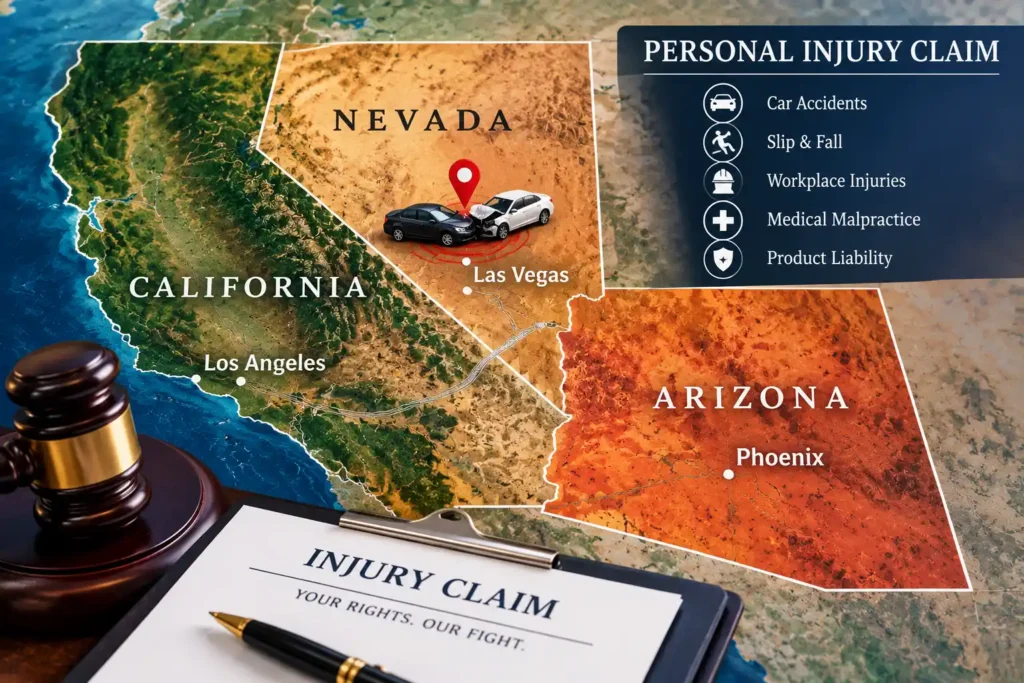
The firm is licensed in Nevada, Arizona, and California. If you were injured in Las Vegas, Phoenix, Los Angeles, or elsewhere in these states, a consultation can help you understand the next steps available in your situation.
Contact Edvin Jones Injury Law for a free consultation.
Contact Us
Edvin Jones Injury Law | Edvin Jones, Attorney at Law
Contact Edvin Jones Injury Law — Free Consultation
No Win, No Fee. We Speak English, Farsi, Turkish, Russian & Arabic.
Address:
Phone: 702-337-3430
Website: edvin.law
Instagram: edvinjonesinjurylaw | TikTok: edvin.law
Licensed in Nevada | Arizona | California
Disclaimer: This article is for informational purposes only and does not constitute legal advice. Reading this article does not create an attorney-client relationship.
Frequently Asked Questions (FAQ)
1. What should I do immediately after a car accident?
First, check for injuries and call 911 if anyone needs emergency assistance. Move to a safe location if possible, follow emergency personnel’s instructions, exchange information with the other driver, and document the scene if it is safe. Seek medical attention for injuries or concerning symptoms and follow the applicable reporting requirements.
2. Do I need to call the police after a car accident in Nevada, Arizona, or California?
Reporting requirements depend on the state and the circumstances of the crash. Accidents involving injuries, deaths, or certain levels of property damage may need to be reported. Contact law enforcement when required or when the circumstances warrant it, and follow the instructions you receive. Do not assume the requirements are identical in all three states.
3. What information should I collect after a car accident?
When safe, collect the other driver’s contact, license, vehicle registration, and insurance information. Photograph the vehicles, damage, road conditions, traffic signals, and relevant surroundings. Also gather witness contact details and record the responding police agency and report number, if available.
4. Should I talk to the other driver’s insurance company after an accident?
You may need to provide basic information, but be careful about detailed or recorded statements before understanding your rights. Stick to accurate facts, do not speculate about fault or injuries, and consider consulting an attorney before giving a recorded statement or signing a release. You should also meet your own policy’s notification and cooperation requirements.
5. When should I contact a car accident attorney?
Consider contacting an attorney as soon as practical, especially if you were injured, fault is disputed, the other driver is uninsured, a commercial or rideshare vehicle is involved, or an insurer offers a settlement before your injuries are fully understood. Early advice may help you preserve evidence and identify relevant deadlines.
Disclaimer
This article is for informational purposes only and does not constitute legal advice. Reading it does not create an attorney-client relationship. Accident-reporting requirements, insurance rules, and legal deadlines differ across Nevada, Arizona, and California. Every case depends on its specific facts. Consult an attorney licensed in the relevant jurisdiction about your circumstances.