Quick Takeaways
Stick to facts only, avoid speculation or opinions on fault in a Car Crash.
Do not admit responsibility verbally, even politely
Report injuries accurately — delayed symptoms are common
Gather evidence but communicate clearly and briefly with police
Filing an SR-1 accident form may be required if police do not complete it
Consult an personal injury attorney before speaking to insurance adjusters
After a Nevada Car Crash: How to Handle Police Interaction Without Hurting Your Claim
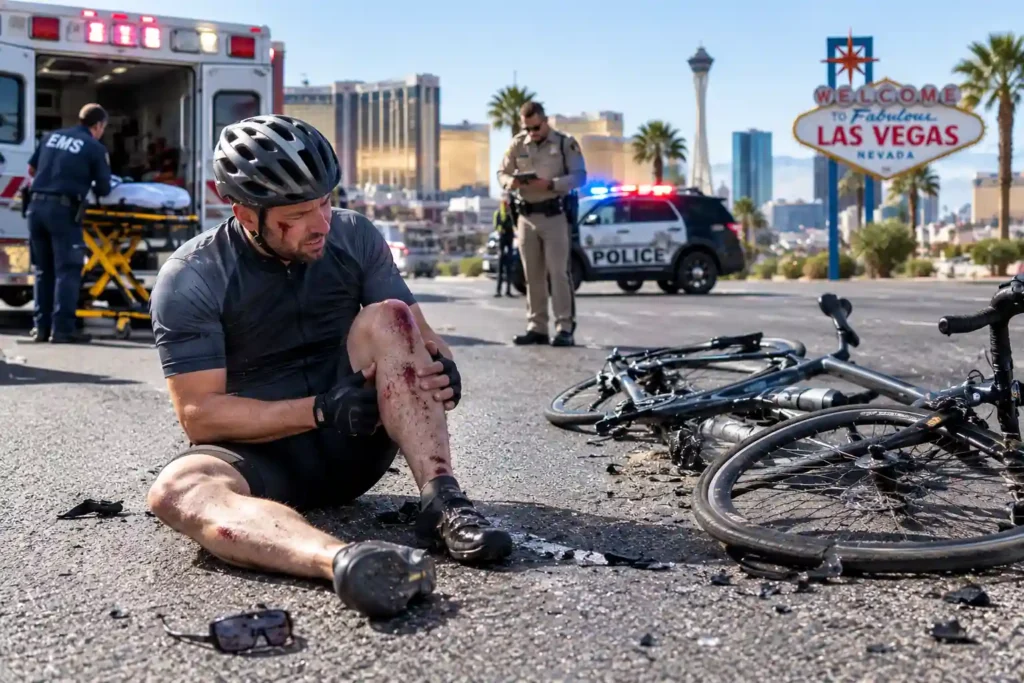
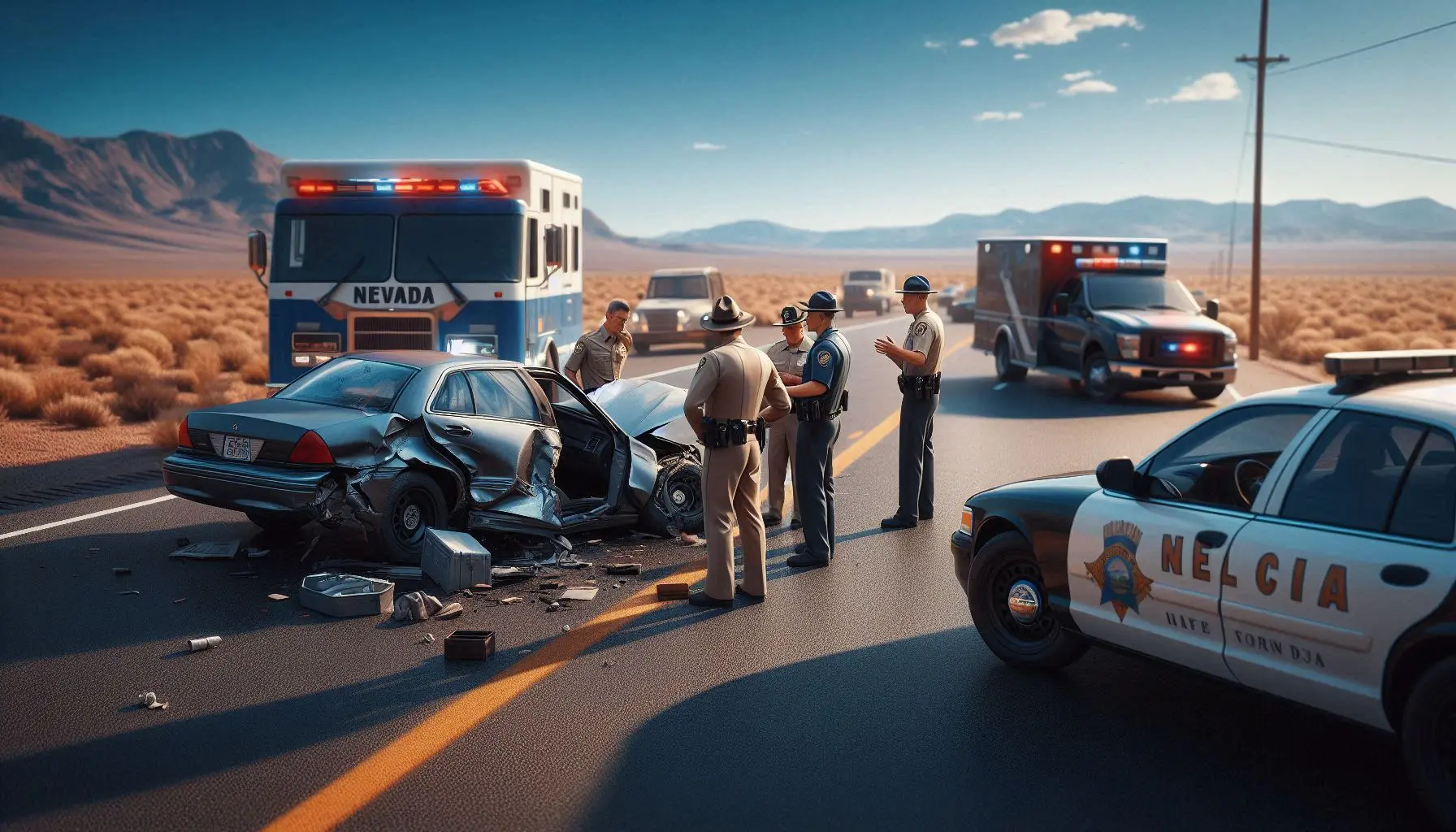
Being involved in a Car Crash is stressful, confusing, and often physically painful. When police arrive at the scene, your words and actions in the first minutes can have a lasting impact on your insurance claim and legal rights. Understanding what to say, what to avoid, and how Nevada law works can help you stay protected.
Your Legal Duties After an Accident
Nevada law requires drivers involved in a crash with injuries, deaths, or property damage over $750 to:
Stop immediately
Exchange information with other parties
Notify law enforcement promptly
If no officer responds, you must file an SR-1 form with the Nevada DMV within 10 days. Failing to comply can lead to fines, civil penalties, or criminal charges.
What You Should Say to Police (and What You Shouldn’t)
✔ Keep Your Statement Clear, Simple, and Factual
Stick to what you personally observed
Describe vehicle positions and movements objectively
Say “I don’t know” if unsure
Example Statements:“I saw the light turn green before I entered the intersection.”
“I felt the impact from behind.”
✘ Avoid Admissions of Fault or Speculation
Phrases like “I’m sorry,” “It’s my fault,” or guesses about speed can be interpreted as responsibility
Common Phrases to Avoid:“It was my fault.”
“Maybe I should have stopped sooner.”
“I didn’t see the other car.”
“I don’t think we need the police.”


Handling Injury Questions Carefully
If asked about injuries, respond with:
“I’m not sure — I need medical evaluation before answering.”Protects your health and prevents inaccurate reports
Witnesses and Evidence
Provide witness names and contacts, but avoid commentary
Photos of the scene, vehicles, and damage are useful later
Focus on clear, factual communication with law enforcement
What Happens Next
Police complete their report
You may need to file the SR-1 DMV form if not already done
Provide insurance with basic facts only, avoiding fault opinions
Consult an attorney before giving recorded statements to adjusters
Summary
After a Nevada car crash:
Stay calm and factual
Exchange required information
Avoid speculation, admissions, or apologies implying liability
Seek medical evaluation for injuries
Gather evidence but communicate carefully
Consider legal guidance before dealing with insurers
Controlled communication at the scene can help protect your insurance claim and legal rights.
Injured in a Nevada Car Accident?
Protect your claim and your rights with professional legal guidance.
📞 Call Edvin Jones, Personal Injury Attorney: 702-337-3430
🌐 Visit: edvin.law
📧 Email: info@edvin.law
Attorney Edvin Jones guides clients on proper police interaction, evidence gathering, and insurance communications to maximize legal protection.
FAQs
Do I have to talk to police at the scene?
Yes, but limit your statements to facts and observations. Avoid admitting fault.
What if I’m unsure about what happened?
It’s okay to say “I don’t know” or “I’m not certain.”
Should I apologize or say I’m sorry?
No — even polite apologies can be interpreted as admitting responsibility.
Do I need to report the accident to the DMV?
Yes, if no officer files a complete report or if property damage exceeds $750.
When should I contact an attorney?
Before giving any recorded statements to insurance companies, especially if injuries or fault are disputed.